
Ultimate Physiotherapy Guide 2026 | Delhi | Noida | Chandigarh| Gurgaon| Evidence-Based Treatment

The Ultimate Guide to Physiotherapy: Everything You Need to Know in 2026
Physiotherapy has changed dramatically in recent decades. The United States alone has 25.3 million adults who suffer from daily chronic pain. These numbers emphasize why the development of physiotherapy practices matters more than ever.
Persistent pain adds $560 to $635 billion annually to healthcare costs. Modern physiotherapy bears little resemblance to the heat packs and ultrasound machines of years past. The field has moved from treating the “average” patient to a person-centered approach that places the whole individual at the center of assessment and treatment.
Musculoskeletal conditions remain the leading contributor to global disability and health burden. Clinical trials now support both the clinical and economic solutions of manual therapy when used as part of a detailed care package. Three major forces are reshaping physiotherapy outcomes as we approach 2026: trustworthy AI, confirmed sensors, and value-based care models.
Physiotherapy adapts continuously to new research, technological breakthroughs, and patient’s changing needs. Advanced remote therapeutic monitoring now has dedicated platforms and sensor-equipped devices. These tools help therapists collect up-to-the-minute data analysis on patient adherence and progress outside clinic walls.
This piece explores physiotherapy’s development over the last three decades, specialized approaches for complex conditions, and the importance of finding the right physiotherapist near you for effective treatment. Let’s take a closer look at the fascinating world of modern physiotherapy and find what it means for your health in 2026.
The Evolution of Physiotherapy Over the Decades
The Rise of Physiotherapy Over the Decades
Physiotherapy practices have changed by a lot in the last three decades. Treatment that once depended on machines has grown into a sophisticated approach that blends movement science, behavioral psychology, and patient education. This change shows how practitioners now imagine and deliver care differently.
From machine-based to movement-based care
The trip from machine-dependent therapies to movement-focused care stands out as a milestone in physiotherapy’s progress. Practitioners first relied heavily on passive treatments like ultrasound and electrical stimulation. In spite of that, research advances showed that movement-based therapies naturally improve health when patients take part in their recovery.
Movement-based approaches work better. They reduce pain and stress while improving range of motion, strength, balance, and heart health. This change also recognizes that today’s muscle and joint problems often come from lifestyle factors rather than sudden injuries.
Active physiotherapy has become the life-blood to treat the growing number of nerve and muscle disorders. Patients who perform specific, targeted movements see better long-term results and fewer recurring problems compared to traditional machine-based methods.
The rise of the biopsychosocial model
George Engel’s biopsychosocial model from 1977 brought another key change to physiotherapy practice. This framework shows how pain includes biological, psychological, and social aspects that all work together.
Most practitioners support this model, but research reveals they don’t all feel confident using psychosocial knowledge in their practice. Studies show that while many physiotherapists learn cognitive behavioral principles, few put them to good use.
The model pushes practitioners beyond just finding and fixing problems to treat the whole person. To name just one example, psychologically informed physiotherapy combines traditional pain treatment with cognitive-behavioral therapies that address a patient’s thoughts, feelings, and behaviors.
Why education and behavior change matter more today
Patient education now forms the foundations of good physiotherapy. It uses planned teaching through instruction, consultation, and behavior modification. The largest longitudinal study of over 360 cases proves it improves health outcomes.
Poor patient education leads to more hospital stays and wrong therapy use. Physiotherapists can build strong therapeutic relationships through their direct and extended time with patients.
Behavior change techniques (BCTs) make modern physiotherapy work better. Research proves that setting goals, solving problems, and planning actions help patients stick to their exercises. These techniques help maintain long-term exercise habits, especially when you have conditions like osteoarthritis—the UK’s leading cause of disability.
The bond between practitioner and patient helps improve self-management skills and builds confidence. Research shows strong links between this therapeutic relationship and better results in pain reduction, physical function, and treatment satisfaction.
This progress has changed the focus from treating symptoms to fixing root causes. Patients now actively participate instead of passively receiving care. Standard protocols have given way to personal care plans that consider each patient’s unique biological, psychological, and social situation.
Modern Manual Therapy: What Has Changed
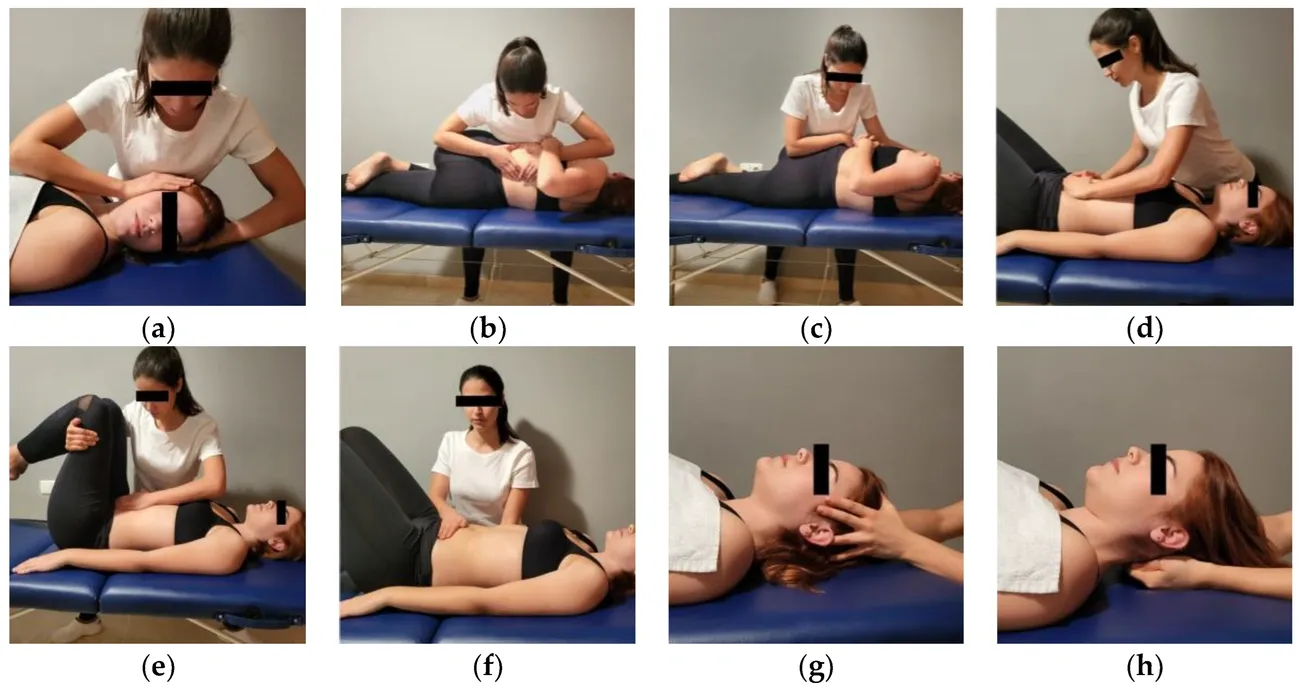
Image Source: MDPI
Modern Manual Therapy: What Has Changed
Manual therapy has transformed dramatically as we better understand pain mechanisms and body systems. Today’s approaches show that skilled hands-on techniques do much more than just apply force to tissues.
Understanding pain beyond the tissue
Modern manual therapy no longer follows the simple “find it and fix it” model of tissue damage. Pain is “an unpleasant sensory and emotional experience” that remains subjective and unique to each person. Therapists now know that pain differs from nociception (detection of harmful stimuli). They see it as a complex brain response where tissue damage plays a varying role.
This new understanding shows three aspects of pain: sensory-discriminative (where and what kind of pain), affective-motivational (pain-related emotions), and cognitive-evaluative (what pain means to the person). So, manual therapy now wants to address all three aspects instead of just focusing on tissue repair.
Biomechanics: the neuroimmune connection
The relationship between nervous and immune systems stands out as one of manual therapy’s most exciting discoveries. These systems work together closely, though we once studied them separately. The immune system can use neuronal elements to adjust immune responses, while immune cells help regulate the nervous system.
Inside tissues, inflammatory substances like cytokines, serotonin, and histamine activate nociceptors (pain-sensing neurons) and increase pain sensitivity. Manual therapy techniques can change this process by lowering inflammatory substance levels. Studies reveal a 20% drop in cytokine concentration that lasts two hours after joint manipulation.
On top of that, it boosts endorphins slightly and increases endogenous cannabinoids by 168% right after manipulation. These substances are the life-blood of the body’s natural pain relief system, which explains why manual therapy works so well.
Role of touch, context, and communication
Touch has proven itself as a powerful healing tool beyond its mechanical effects. Physical therapists use touch for both treatment and building relationships. Through proper therapeutic touch, they create coherent treatment plans while building partnerships where patients take an active role rather than just receiving care.
Good communication that involves patients actively forms the foundations of patient-centered treatment. Research shows that therapists get better patient participation when they use unfinished sentences, echo patients’ words, maintain eye contact, and welcome interruptions.
The treatment environment itself shapes outcomes significantly. Patient priorities often matter more for results than the specific manual treatment used. Creating a positive healing space while reducing nocebo effects (negative outcomes from negative expectations) has become crucial for manual therapy to work.
Manual therapy as a gateway to movement
Today’s manual therapy mainly helps enable active movement and exercise rather than working alone. Careful use of graduated manual techniques lets therapists show patients how resilient their bodies are, which helps counter common fears about vulnerability.
Treatment focuses on relieving pain through neuromodulation, meeting patient expectations, showing body resilience, and creating chances for maximum participation in exercise programs. Manual therapy techniques reduce temporal sensory summation (a measure of central nervous system pain amplification) better than carefully designed sham treatments.
The physical stimulus from manual therapy creates body responses that affect all aspects of pain experience. This helps patients participate more fully in movement-based rehabilitation, which remains the life-blood of effective physiotherapy for musculoskeletal conditions.
Assessment Tools and Clinical Reasoning in 2026

Assessment Tools and Clinical Reasoning in 2026
Physiotherapy assessment tools have come a long way. They’ve moved beyond simple physical examinations to sophisticated evaluation methods that combine objective measurements with advanced clinical reasoning. My experience as a physiotherapist has shown me how this progress has improved our ability to identify underlying issues and create targeted treatment plans.
From palpation to pattern recognition
Clinical reasoning in physiotherapy has grown from simple hypothetico-deductive reasoning to sophisticated pattern recognition. Therapists used to rely heavily on a step-by-step process that included cue acquisition, hypothesis generation, cue interpretation, and hypothesis evaluation. Expert physiotherapists now naturally combine pattern recognition with hypothetico-deductive and narrative reasoning. New practitioners tend to stick to hypothetico-deductive reasoning alone.
Pattern recognition comes only after building a solid knowledge base and gaining clinical experience. Expert physiotherapists spend more time understanding patient history than doing physical examinations. They consider historical information vital to diagnosis. This expertise leads to faster, more accurate assessments through forward reasoning instead of the slower backward reasoning that taxes working memory.
Pain phenotyping and functional testing
Pain phenotyping marks a major step forward in assessment methods. This detailed approach identifies similar subgroups based on how prognostic indicators, psychological factors, and pain sensitivity work together. Research has revealed distinct patient phenotypes that better predict long-term outcomes compared to just looking at where the pain is located.
Research shows three main phenotype clusters: high emotional distress with pain sensitivity, low emotional distress, and low pain sensitivity. Each group responds differently to treatment, which allows for more tailored care approaches.
Functional assessment tools work alongside pain phenotyping. They measure how well patients can perform specific tasks safely over time. These tools help establish baseline measurements of function, pain levels, and range of motion. Therapists can measure progress throughout treatment. The tools serve several purposes:
- They help establish accurate diagnosis and create tailored treatment plans
- They set clear, measurable recovery goals
- They track progress throughout treatment
- They evaluate how well the intervention worked
How to choose the right physiotherapist
Here’s what to look for when choosing a physiotherapist:
Start by checking their credentials. Look for recognized degrees (BPT/MPT) and proper specialization credentials. Find therapists who specialize in your condition—whether it’s sports injuries, orthopedic issues, or neurological disorders. This approach will give a more focused treatment.
Experience makes a big difference in treatment outcomes. Experienced physiotherapists handle complex cases better, adjust treatment plans appropriately, and provide integrated care. The therapist’s communication style matters too. They should listen well, explain things clearly, and include you in decisions about your care.
The clinic’s facilities deserve attention. Well-equipped physiotherapy clinics provide more treatment options and often get better results through detailed approaches. The location should be convenient to help you stay consistent with your treatment.
These guidelines will help you find qualified practitioners who provide evidence-based, tailored care that meets your needs.
Specialized Physiotherapy for Complex Conditions

Specialized Physiotherapy for Complex Conditions
Physiotherapy has evolved beyond treating common back pain and neck stiffness. Modern specialized physiotherapy now offers effective treatments for conditions that seemed impossible to treat before.
Pelvic floor physiotherapy and postpartum care
The pelvic floor plays a vital role in supporting reproductive, colorectal, and urinary tracts. This muscle group needs special care, particularly after childbirth. Research shows that 34% of women after childbirth report urinary incontinence, while 4% experience fecal incontinence. Pelvic floor physiotherapy (PFPT) has become the primary evidence-based treatment that works.
Women who receive structured PFPT are much less likely to have urinary incontinence within their first year after giving birth (risk ratio 0.44). They also experience fewer pelvic organ prolapse symptoms between 6-12 months after delivery (risk ratio 0.48). PFPT helps improve sexual function too (risk ratio 0.48).
Looking for advanced evidence-based Physiotherapy? Call us.
Patients usually work with specialists for 8-12 weeks and attend 1-2 sessions each week. These sessions help strengthen pelvic floor muscles through specific exercises, lifestyle changes, and education. This approach is much more active than treatments used years ago.
Vertigo and concussion rehabilitation
Vertigo and dizziness affect 10-30% of concussion cases. This growing field of physiotherapy specialization uses Vestibular rehabilitation therapy (VRT), which helps improve balance, reduce dizziness, and lower fall risks.
VRT uses targeted exercises to address specific vestibular and oculomotor problems found during assessment. The treatment typically has:
- Gaze stabilization exercises to maintain visual focus during movement
- Balance retraining through sensorimotor integration
- Habituation exercises for motion sensitivity
Starting vestibular treatment early after a concussion leads to faster recovery and return to normal activities. Research shows that personalized treatments combining vestibular, cervical, and oculomotor therapies help patients recover faster, especially those with lasting symptoms.
TMJ and coccydynia: niche areas gaining traction
Temporomandibular disorders (TMD) and coccydynia (tailbone pain) need specific expertise. TMD affects the jaw joint and surrounding muscles, while coccydynia causes pain at the spine’s base.
Women are five times more likely than men to develop coccydynia. This condition makes simple activities like sitting painful and affects quality of life. TMJ problems can lead to jaw pain, stiffness, headaches, and limited function.
Treatment methods for these conditions have improved greatly. TMJ therapy now includes manual therapy for pain-free motion, soft tissue massage, jaw relaxation techniques, and strengthening exercises. Coccydynia treatment uses specialized cushions, manual therapy techniques, and posture education.
Finding properly trained specialists is key to treating these complex conditions. One expert points out that “Relatively few physical therapists have expertise in pelvic pain syndromes,” so it’s important to ask about a therapist’s specialized training and experience.
Population-Specific Approaches in Musculoskeletal Care
Physiotherapy now provides custom solutions for different groups of people. Treatment needs change based on age, activity level, and health conditions. Each group needs its own evidence-based approach to get the best results.
Geriatric and post-menopausal care strategies
Geriatric rehabilitation helps restore function and boost remaining capabilities in older adults, especially those who are frail or disabled. The focus stays on functional activity rather than managing diseases. This approach helps seniors stay independent and enjoy a better quality of life.
Older adults need different assessments than younger people because their bodies change with age. The WHO’s International Classification of Functioning (ICF) framework helps get a full picture by showing how limitations affect daily life. This all-encompassing approach looks at environmental and personal factors that can help or hold people back.
Post-menopausal women benefit from specific physiotherapy interventions that address hormone-related changes. Weight-bearing exercises help deposit calcium in bones, which makes them stronger and reduces osteoporosis. On top of that, pelvic floor exercises help manage common incontinence problems.
Looking for advanced evidence-based Physiotherapy? Call us.
Sports physiotherapy and return-to-play planning
Sports rehabilitation works best with a team of experts. Physiotherapists, sports physicians, coaches, and psychologists need to work together. Good communication between medical staff and coaches is crucial – without it, recovery might take longer or lead to new injuries.
The return-to-sport process follows three main stages: getting back to lighter activity, returning to sport, and performing at pre-injury level or better. This structured method puts athlete safety first while meeting each sport’s specific demands.
Strategic Assessment of Risk and Risk Tolerance (StARRT) framework uses three steps to guide return decisions. These steps look at tissue health, check activity risks, and think about risk tolerance factors.

Chronic pain relief through graded exposure
Graded exposure treatment (GET) helps patients face scary activities step by step, which breaks the pain-avoidance cycle seen in chronic conditions. This method tackles fear-avoidance behaviors that often lead to physical limitations, depression, and lasting disability.
Therapy moves up gradually. Patients start with exercises that cause minimal fear before moving to more challenging ones. Before starting, patients learn about pain neuroscience to understand why avoiding movement becomes harmful over time.
Research shows GET works well. One study found major improvements after three months. This approach combines mind and body techniques to retrain the brain. Patients learn that certain movements don’t always cause pain, which helps them regain their confidence and ability to move.
Technology That’s Changing the Game
Technology That’s Changing the Game
Modern physiotherapy has been transformed by the digital revolution. New technology creates opportunities to boost treatment outcomes beyond traditional clinical settings. These state-of-the-art tools complement—not replace—the skilled hands-on approach of experienced therapists.
AI-assisted assessments and remote monitoring
Therapists can now analyze movement patterns with unprecedented precision thanks to artificial intelligence. Motion capture systems spot subtle biomechanical issues that human eyes might miss and create objective baselines to track rehabilitation progress. Therapists can supervise home exercise programs through remote monitoring platforms. They make adjustments based on up-to-the-minute data analysis instead of relying on what patients remember during visits.
Wearables and sensors for real-time feedback
Wearable technology has revolutionized how patients take part in their recovery process. Smart garments with built-in sensors give immediate feedback on movement quality, muscle activation, and posture. Patients can correct errors right away through this continuous feedback loop. This reinforces proper movement patterns even during independent practice at home.
VR and gamified rehab for better adherence
Virtual reality environments turn repetitive rehabilitation exercises into engaging activities by simulating real-life scenarios within controlled parameters. Gamification taps into our natural competitive spirit and motivates patients to complete their prescribed exercises regularly. Studies show that rehabilitation with gamified elements significantly improves adherence rates—tackling one of physiotherapy’s most persistent challenges.
These technologies expand therapeutic possibilities while staying true to patient-centered principles that define modern physiotherapy practice.
Combining Education, Exercise, and Manual Therapy
Modern physiotherapy in 2026 combines three key elements: movement, education, and skilled hands-on techniques. This approach delivers better results than using just one method alone.
Why movement is medicine
Movement therapy offers benefits that go beyond physical improvements. Research shows it helps reduce pain and stress while improving range of motion, strength, balance, and heart health. Movement therapies trigger neuroplasticity, which lets the brain adapt and rewire itself through repeated, structured exercises. Gentle, progressive movements help calm nervous systems that are stuck in “alarm mode” and reduce pain over time.
The role of patient education in long-term outcomes
Patient education is the foundation of successful physiotherapy. Research indicates that a well-laid-out educational program leads to better outcomes. Therapists share most information during the first sessions. They start with exercise instructions and gradually add general health education. This method helps build motivation and confidence. Patients who understand their treatment plan show better satisfaction and deeper commitment.
Case examples: Diastasis recti, stiff neck, and sciatica
Diastasis recti affects 60% of postpartum women. Physiotherapy helps through specific exercises that target the transverse abdominis and rectus abdominis muscles. Treatment usually takes 2-6 weeks and focuses on strengthening core support muscles.
Stiff neck exercises should start with 2-3 repetitions every hour. As comfort improves, patients can work up to 10 repetitions. The goal is to restore movement and strength that supports healing.
Sciatica treatment includes exercises to strengthen the abdomen, lower back, hips, and legs. The McKenzie method uses directional movements to find and treat pain sources. The theory suggests that when pain moves toward the center, it shows improvement. Good posture while sitting, standing, and walking prevents the condition from coming back.
Conclusion
Physiotherapy has changed from a modality-focused practice to a complete, patient-centered approach in the last three decades. Manual therapy techniques work best when combined with targeted exercises and patient education to deliver better outcomes for various conditions. It also provides effective solutions for complex conditions like pelvic floor dysfunction, vestibular disorders, and TMJ issues that didn’t have targeted treatments before.
Evidence-based practices have replaced outdated machine-based treatments in this field. Looking for advanced evidence-based Physiotherapy? Call us. Modern practitioners know that successful rehabilitation needs to address biological, psychological, and social factors that affect each patient. Assessment tools have moved from simple palpation to sophisticated pain phenotyping and functional testing, which allows customized treatment plans.
Technology improves physiotherapy practice, but it supports rather than replaces the skilled hands-on approach that is vital to treatment success. The therapeutic bond between patient and practitioner forms the foundation of effective care. Communication and education play a vital role in long-term outcomes.
The most important change lies in enabling patients to take an active part in their recovery. You should look beyond equipment and facilities to find practitioners who combine manual expertise with evidence-based exercise prescription and patient education. This integrated approach, tailored to your specific needs, will give you the most effective results for musculoskeletal rehabilitation and pain management in 2026 and beyond.
Key Takeaways
Modern physiotherapy has evolved from machine-based treatments to a comprehensive approach that empowers patients through movement, education, and personalized care.
• Movement is medicine: Active, graded exercises now form the foundation of treatment, delivering broader benefits than passive modalities like ultrasound or electrical stimulation.
• Pain is complex, not just tissue damage: Modern therapy addresses biological, psychological, and social factors using the biopsychosocial model rather than simply “finding and fixing” damaged tissues.
• Patient education drives long-term success: Systematic education about pain mechanisms and treatment rationale significantly improves adherence, outcomes, and prevents recurrence.
• Specialized care addresses complex conditions: Advanced physiotherapy now effectively treats pelvic floor dysfunction, vertigo, TMJ disorders, and other conditions previously lacking targeted interventions.
• Technology enhances but doesn’t replace human touch: AI assessments, wearables, and VR improve precision and engagement while maintaining the essential therapeutic relationship between patient and practitioner.
The therapeutic alliance between patient and practitioner remains fundamental to success, with skilled manual therapy serving as a gateway to enable active movement and exercise participation. When choosing a physiotherapist, prioritize evidence-based practitioners who combine hands-on expertise with comprehensive patient education and personalized exercise prescription.
FAQs
Q1. What is the 80/20 rule in physiotherapy? The 80/20 rule in physiotherapy suggests spending 20% of time on pain relief and 80% on strengthening supporting muscles. This approach focuses on addressing the root cause rather than just managing symptoms.
Q2. How has physiotherapy evolved in recent years? Physiotherapy has shifted from machine-based treatments to a comprehensive approach combining movement, education, and personalized care. It now addresses biological, psychological, and social factors affecting patients, using advanced assessment tools and technologies.
Q3. What role does patient education play in physiotherapy? Patient education is crucial for long-term outcomes in physiotherapy. Systematic education about pain mechanisms and treatment rationale significantly improves adherence, outcomes, and helps prevent recurrence of conditions.
Q4. How does modern physiotherapy address complex conditions? Modern physiotherapy offers specialized care for complex conditions like pelvic floor dysfunction, vertigo, and TMJ disorders. These advanced approaches use targeted interventions and often involve multidisciplinary teams for comprehensive treatment.
Q5. How is technology changing physiotherapy practices? Technology is enhancing physiotherapy through AI-assisted assessments, wearables for real-time feedback, and virtual reality for engaging rehabilitation exercises. However, these tools complement rather than replace the essential hands-on approach and therapeutic relationship between patient and practitioner.

