
Vertigo vs Dizziness: Symptoms, Causes & Treatment in Delhi NCR | Noida | Chandigarh | Gurgaon
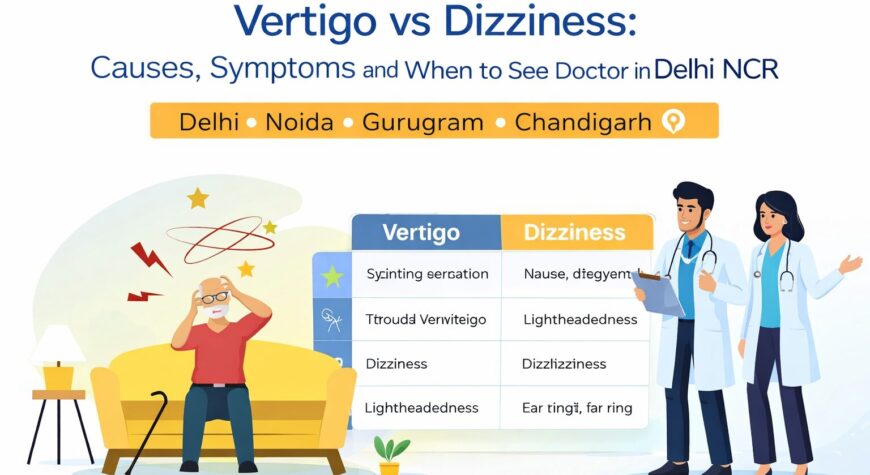
Vertigo vs Dizziness: How to Tell the Difference (And When to See a Specialist)
Vertigo vs dizziness creates confusion among people looking for relief from these unsettling conditions. The World Health Organization lists balance disorders like vertigo as one of the main reasons older adults fall. Statistics from the Centers for Disease Control and Prevention show that dizziness or balance problems affect about 15% of U.S. adults yearly. Many people think these conditions are the same thing. The difference between vertigo and dizziness is vital to get the right diagnosis and treatment.
Vertigo makes you feel like everything around you is spinning. This sensation can show up as a type of dizziness. Dizziness includes more symptoms like feeling lightheaded, unsteady, or faint. People often get dizzy from simple things. These could be dehydration, heat exhaustion, iron deficiency anemia, low blood sugar, anxiety, or low blood pressure. Vertigo usually comes from specific medical conditions. The most common ones are Benign Paroxysmal Positional Vertigo (BPPV), Meniere’s disease, labyrinthitis, vestibular neuritis, or migraine-associated vertigo. Patients in Delhi, Noida, Gurugram, and Chandigarh need to understand these differences to find the right treatment.
The right specialist and treatment options become essential if these symptoms affect your daily life or keep coming back. This piece will help you understand the differences between these conditions. You’ll learn about their causes, symptoms, and the best time to get professional help.
What is Vertigo?
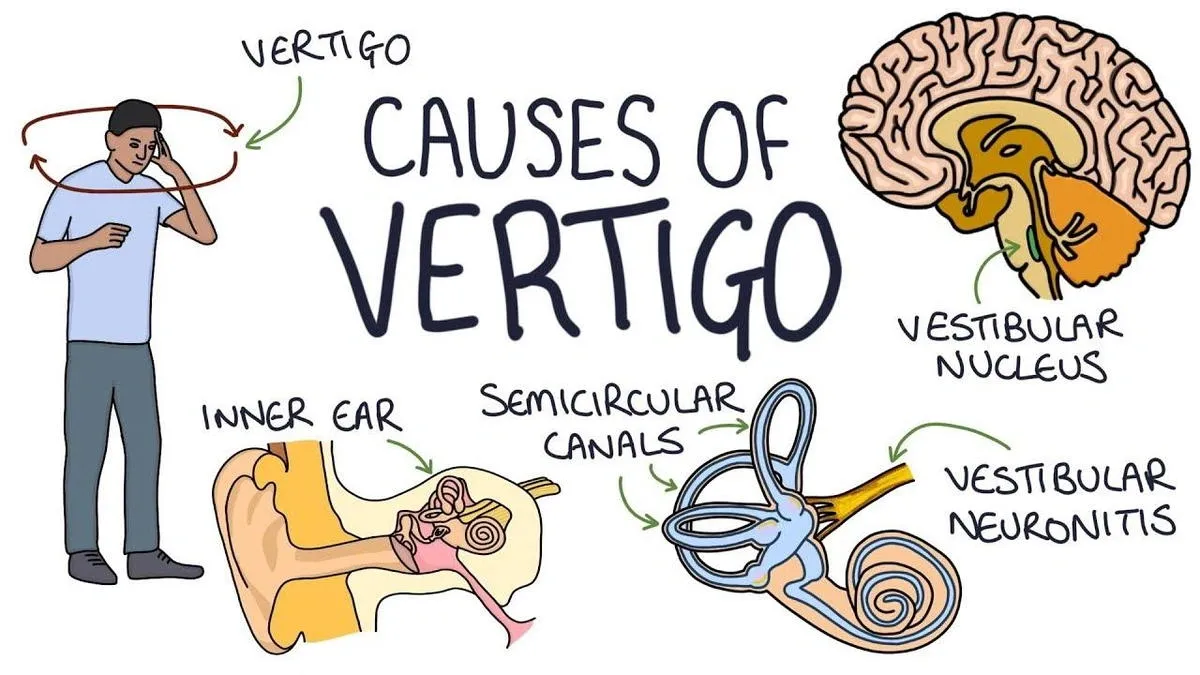
Image Source: Stone Chiropractic Health Center
Vertigo differs from regular dizziness. It creates a sensation that makes you feel like you or your surroundings are spinning or moving. This unique type of dizziness tricks your brain into sensing motion when everything is actually still. People who experience vertigo often say they feel like they’re tilting, swaying, or something is pulling them in one direction even when they’re not moving at all.
Vertigo symptoms and causes
Beyond the spinning feeling, vertigo shows up with several noticeable symptoms. You might experience:
-
Nausea and vomiting
-
Unsteady walking or balance problems
-
Abnormal eye movements (nystagmus)
-
Sweating
-
Ear pressure, fullness, or ringing (tinnitus)
-
Headaches or visual disturbances
Vertigo has two main categories. Peripheral vertigo starts in your inner ear and makes up most cases. Central vertigo comes from brain issues, especially in the brain stem or cerebellum, and usually brings more severe symptoms. Common triggers range from inner ear infections to Benign Paroxysmal Positional Vertigo (BPPV), Menière’s disease, vestibular neuritis, and certain medications.
How inner ear and brain affect balance
Your vestibular system is vital to keeping your balance. This system sits in your inner ear with three semicircular canals and two otolith organs. Tiny hair cells line these fluid-filled structures and send movement signals to your brain.
Your semicircular canals detect three types of rotational movements: up/down tilts, right/left tilts, and sideways turns. The otolith organs sense straight-line movements like speeding up or slowing down. Your brain takes this information and combines it smoothly with what you see and feel through your muscles and joints to keep you steady.
Why vertigo feels like spinning
That spinning feeling happens when your vestibular system sends different signals than what your other senses notice. To name just one example, in BPPV, calcium carbonate crystals break loose in your inner ear. These crystals float around and send wrong signals to your brain. When you move your head, these crystals bend the sensory hair cells incorrectly, making you feel like you’re spinning when you’re not.
Vertigo reasons in urban patients
People living in cities like Delhi and Noida face special vertigo triggers. Office workers who spend long hours at computers might develop cervical spine problems that throw off their balance. Light and sound sensitivity often come with migraine-related vertigo, which gets worse with urban traffic noise and bright sunlight. Life in ever-changing cities like Gurugram and Chandigarh creates stress that substantially changes how your brain handles balance signals. On top of that, pollution and untreated ear infections, which spread more easily in humid city environments, can harm your inner ear’s balance system.
What is Dizziness?
Dizziness makes you feel unbalanced or disoriented in different ways. About 15% of U.S. adults get dizzy each year, and this number goes up with age. People often mix up “dizziness” and “vertigo,” but dizziness covers several feelings that don’t always include spinning.
Understanding dizziness as a broad term
Dizziness is an umbrella term that includes feeling lightheaded, woozy, weak, unsteady, or faint. Some people feel like they might fall down. Others describe a floating feeling or heaviness in their head. Your balance depends on steady information from your ears, eyes, tissues, and central nervous system. You get dizzy when something disrupts this flow.
Reason for dizziness: common triggers
Your dizziness could come from several causes, from minor issues to serious conditions:
-
Physical factors: Dehydration, low blood sugar from skipping meals, or standing up too quickly
-
Medical conditions: Low blood pressure, anemia, or heart problems that reduce blood flow to your brain
-
Psychological factors: Stress and anxiety can trigger dizziness through muscle tension and changed breathing patterns
-
Environmental causes: Heat exhaustion or carbon monoxide exposure
-
Substances: Alcohol, recreational drugs, or side effects from medications like antidepressants
How dizziness affects daily life
Frequent dizzy spells can disrupt your everyday life. Almost all people with dizziness avoid social or recreational activities (96%) and lose some independence (80%). Many find it hard to drive, shop, or work, which leads to feeling isolated. On top of that, dizziness creates “brain fog” in 90% of people, making it hard to concentrate and remember things.
When dizziness becomes a concern
Dizziness is common but needs medical attention if it’s severe, won’t go away, or comes with other symptoms. Get immediate help if your dizziness happens with chest pain, shortness of breath, severe headache, numbness or weakness in face or limbs, slurred speech, or fainting. Note that dizziness rarely means something life-threatening, but it can make you more likely to fall and might point to health issues that need treatment.
Difference Between Vertigo and Dizziness (Table Format)
Patients and doctors need to tell these conditions apart by knowing their main differences. Their distinct features help determine the right diagnosis and treatment plan.
Sensory experience
A person with vertigo feels like they’re spinning or moving when they’re actually still. People with dizziness experience different sensations – they might feel lightheaded, unsteady, or faint without any spinning sensation.
Medical causes
|
Vertigo |
Dizziness |
|
Inner ear disorders (BPPV, Ménière’s) |
Dehydration |
|
Vestibular neuritis |
Low blood pressure |
|
Brain stem/cerebellum issues |
Medication side effects |
|
Vestibular migraines |
Anxiety/stress |
Duration and intensity
Vertigo episodes can last anywhere from seconds with BPPV to several hours or days with Ménière’s disease. Most dizziness cases clear up quickly, though some people deal with chronic symptoms.
Treatment differences
Vertigo treatment usually needs specific maneuvers like the Epley procedure, vestibular rehabilitation, or medicines that target vestibular symptoms. Doctors treat dizziness by looking at why it happens – whether through better hydration, changing medications, or managing anxiety.
Impact on mobility
Vertigo makes daily activities hard. Standing, walking, or focusing becomes a real challenge. Dizziness creates a general feeling of instability that affects a person’s confidence in regular tasks.
Diagnostic approach
Doctors need specialized tests to check inner ear function and balance for vertigo diagnosis. They start dizziness diagnosis with your medical history, physical exam, and tests to find what causes it.
Want to learn how your symptoms differ? Book an assessment today.
Symptoms of Vertigo Disease

Vertigo disease shows more symptoms than just a spinning sensation. These attacks can make daily activities difficult and affect your quality of life by a lot. You can get better treatment when you spot these symptoms early.
Spinning or swaying feeling
The main symptom of vertigo makes you feel like you or your surroundings are spinning. This feeling can last anywhere from seconds to hours, and sometimes continues for days or months. Some people don’t feel true spinning but instead experience floating, swaying, or rocking – similar to being on a boat.
Nausea and vomiting
The spinning feeling often leads to intense nausea and vomiting. Movement makes these symptoms worse and they become especially hard to handle during acute attacks.
Unsteady walking
Balance problems are common with vertigo. You might find it hard to walk straight or stay coordinated. People often stagger, waver, or feel like they will fall. This lack of stability creates real safety risks and makes falls more likely.
Neck pain or stiffness
Neck discomfort often shows up with certain types of vertigo. People with cervical vertigo feel upper neck discomfort, tightness, and sometimes get headaches that push toward the front of their skull.
Ear pressure or ringing
Many vertigo patients feel fullness or pressure in their affected ear as time goes on. This pressure usually comes with tinnitus (ringing in ears), especially in conditions like Menière’s disease.
Headache or visual issues
Vertigo often appears with headaches, especially in vestibular migraines. Vision problems can include blurred sight, light sensitivity, or rapid eye movements (nystagmus). Want to learn how your symptoms differ? Book an assessment.
Common Causes of Vertigo and Dizziness in Urban Patients
People living in cities deal with several unique triggers that cause vertigo and dizziness. These triggers often connect to modern ways of living. Let’s get into the most common causes that affect people in Delhi, Noida, Gurugram, and Chandigarh.
BPPV and vestibular disorders
Benign Paroxysmal Positional Vertigo (BPPV) stands out as the most common reason behind vertigo. It makes up more than half of all peripheral vertigo cases. This mechanical inner ear problem happens when calcium carbonate crystals (otoconia) move away from where they should be and drift into the semicircular canals. These displaced crystals ended up disrupting normal fluid movement and send wrong signals to your brain about how your head is positioned.
People in cities often experience BPPV alongside other balance problems. Their bodies deal with multiple factors that disrupt balance all at once. To name just one example, people who get vestibular migraines are three times more likely to develop BPPV compared to others.
Cervical spine misalignment
Office workers in Delhi NCR’s metropolitan areas face a rising threat from cervical vertigo. Problems in the neck disrupt balance signals that travel to the brain. Long hours in front of screens, badly set up desks, and “text neck” from too much phone use make this problem worse.
Stress and poor posture
Without doubt, stress sets off body responses that look like vertigo symptoms. Your body releases cortisol when you’re stressed, which affects your blood pressure, heart rate, and how your nervous system works. This heightened state can make your balance system more sensitive and cause dizziness.
Migraine-related vertigo
Vestibular migraines affect about 1% of people, and women get them five times more often than men. These special types of migraines can make you dizzy even without headaches. City residents often get triggered by:
-
Weather changes
-
Lack of sleep
-
Hormonal fluctuations
-
Bright or flashing lights (a big problem in busy city traffic)
-
Certain foods (caffeine, alcohol, chocolate)
Delhi NCR lifestyle factors
Delhi NCR residents face their own set of vertigo triggers. Air pollution can damage inner ear structures, and noise pollution makes balance problems worse. The ever-changing work culture in this region guides people toward irregular sleep, poor water intake, and random meal times—all of which can trigger vertigo.
Which Doctor to Consult for Dizziness?
The right specialist for dizziness depends on what’s causing it. Quick medical help can substantially cut down recovery time and lead to better results.
ENT for ear-related causes
An ENT specialist (otolaryngologist) should be your first stop if your dizziness comes from inner ear problems like BPPV, Ménière’s disease, vestibular neuritis, or labyrinthitis. These doctors have special training to spot and treat vestibular disorders. They can prescribe medications and show you specific movements that help reposition inner ear crystals.
Neurologist for brain-related issues
You should see a neurologist if your dizziness comes with neurological symptoms like numbness, confusion, slurred speech, or severe headaches. These brain specialists use complete neurological testing to treat dizziness linked to migraines, TIAs (mini-strokes), or other central nervous system disorders.
Vestibular therapist for balance training
Vestibular rehabilitation therapy (VRT) works well for many balance disorders. Patients who try VRT end up with better balance, less dizziness, and a lower chance of falling. This special type of physical therapy teaches your brain to handle balance signals the right way.
Chiropractor for neck-related dizziness
A chiropractor might help if your dizziness stems from neck problems (cervicogenic dizziness). Better neck alignment can ease dizziness symptoms, especially when neck injuries or poor posture play a role.
Delhi, Noida, Gurugram, Chandigarh options
Big hospitals in Delhi NCR have teams of ENTs, neurologists, and vestibular therapists who work together on complex dizziness cases. Want to learn what makes your symptoms unique? Book an assessment today.
How is Vertigo Treated?
Your vertigo treatment journey begins when you find out why it happens. Most patients get relief from treatments that don’t need surgery or medicine, which helps avoid side effects.
Vestibular rehab exercises
Vestibular rehabilitation therapy (VRT) uses special exercises that help your brain handle dizziness better and improve your balance. These exercises train your reflexes to steady your vision, build up resistance to triggers, and help you stay stable. Each patient receives a unique exercise plan based on their condition. Daily practice continues for 6-12 weeks, and patients gradually take on faster, more challenging movements as they feel better.
Neck manual therapy
Manual therapy works well, especially when neck problems cause cervical vertigo. Therapists gently move stiff neck joints and work on tight muscles. Research shows patients feel less dizzy after manual therapy compared to placebo treatments. This method fixes faulty balance signals from your neck, and about 75% of patients see improvements.
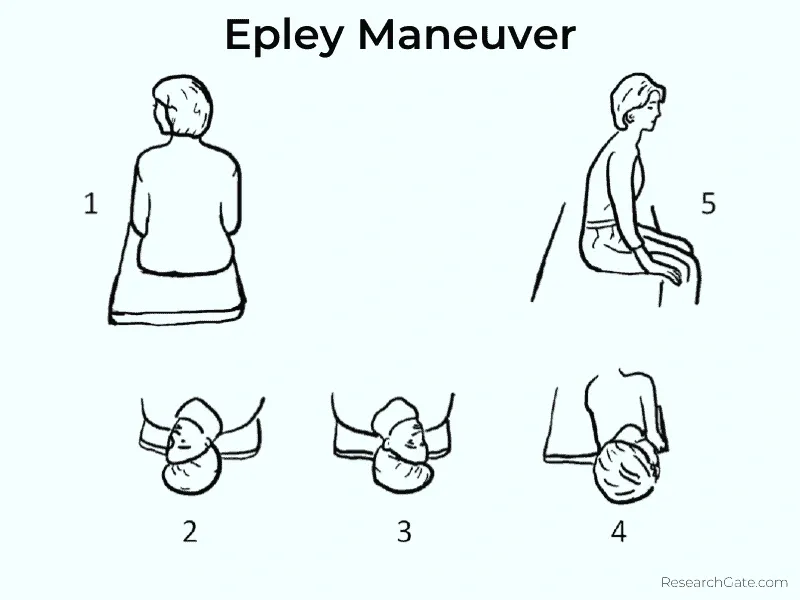
Epley maneuver for BPPV
BPPV treatment relies on the Epley maneuver, which helps 80-90% of cases. This technique uses gravity to guide displaced calcium crystals back to their proper place in the utricle. Healthcare providers perform this first, but many patients learn a modified version for home use. You’ll move through specific head and body positions, holding each for 30-60 seconds. Relief often comes right away, though some people need repeated treatments.
Lifestyle changes and hydration
Your daily habits play a big role in how often and severe vertigo episodes become. Good hydration keeps your blood pressure and inner ear fluid balanced. Quality sleep helps restore your brain and nervous system – poor sleep makes dizziness more likely. Mindfulness and relaxation help manage stress, which can trigger episodes. After repositioning treatments, keep your head elevated while sleeping and avoid bending backward for 24 hours.
Specialist care in Delhi NCR
Delhi NCR provides detailed vertigo care across many specialties. Local clinics offer personal attention through non-invasive treatments like vestibular rehabilitation, repositioning techniques, and balance training. Modern diagnostic equipment helps doctors find the root cause before starting treatment. Neurologists and vertigo specialists provide one-on-one care, and some clinics use digital tools to monitor progress and guide exercise plans.
When Should You Seek Medical Help?
You can save your life by knowing when vertigo or dizziness needs urgent medical care. Some warning signs point to medical emergencies that need immediate attention beyond just managing symptoms.
Sudden onset of severe vertigo
You should get emergency care if you have a sudden, intense vertigo attack with chest pain, heart palpitations, or fever above 100.4°F (38°C). These symptoms could point to serious conditions like stroke or heart problems. A severe, sudden headache with vertigo needs immediate medical evaluation because it might indicate a brain hemorrhage or other neurological emergency.
Loss of vision or speech
Emergency services should be called right away if you experience vertigo with vision changes—especially double vision, blurred vision, or sudden vision loss. Any speech problems, like slurred speech or trouble forming words, just need urgent medical attention. These symptoms often signal a possible stroke or transient ischemic attack (TIA) that needs quick intervention.
Persistent dizziness or imbalance
Your dizziness or vertigo needs medical evaluation if it keeps coming back, lasts longer than usual, or happens without any clear cause. Constant unsteadiness that leads to falls or near-falls needs professional assessment. Patients in Delhi and Noida with chronic dizziness lasting more than six weeks should see a vestibular physiotherapist or ENT specialist.
Symptoms that disrupt daily life
You should see a healthcare provider quickly if vertigo or dizziness affects your daily activities. Ongoing vomiting, fainting episodes, or trouble walking indicate you need immediate care. Patients in Gurugram and Chandigarh who experience vertigo with numbness or weakness in their face, arms, or legs should get emergency evaluation because these symptoms might signal serious neurological conditions.
FAQs (SEO + PAA Targeting)
People often ask crucial questions about these unsettling conditions. Here are some common concerns about vertigo and dizziness.
Can vertigo go away on its own?
Some types of vertigo clear up without treatment, especially BPPV. Your brain adapts to inner ear changes over time. In spite of that, conditions like Ménière’s disease or vestibular neuritis need medical treatment. Labyrinthitis symptoms usually clear up within days, though mild symptoms can last several weeks.
Is dizziness a sign of stroke?
Of course, dizziness might point to a stroke, especially with other symptoms present. Patients who have posterior circulation stroke might seem drunk or feel like they’re on a rocking boat. They lose balance and feel dizzy. Stroke symptoms hit suddenly “like a lightning bolt”. The key difference is that strokes causing dizziness or vertigo show extra signs like limb ataxia or other focal neurological symptoms.
Can anxiety cause vertigo?
Yes, anxiety can trigger and make vertigo worse. Your body releases adrenaline during anxiety attacks. This raises heart rate and blood pressure, which can make vertigo more intense. Tense muscles in your shoulders and neck from anxiety can reduce blood flow to your inner ear. When you hyperventilate from anxiety, carbon dioxide levels drop and narrow brain blood vessels.
How is vertigo diagnosed?
Doctors start by taking your detailed medical history and tracking how symptoms progress. They check your walking, balance, and central nervous system during physical exams. Tests may include:
-
Eye movement testing
-
Head movement testing (Dix-Hallpike maneuver)
-
Posturography
-
Rotary chair testing
Some patients need MRI scans to check their inner ear structures.
What is the fastest way to treat vertigo?
BPPV patients get quick relief from the Epley maneuver, often after one or two sessions. This technique uses gravity to move displaced calcium crystals from semicircular canals. Physical therapy can bring fast relief too, but the best approach depends on what causes your vertigo. Doctors might prescribe medications that quickly ease vertigo and nausea symptoms.
Which doctor to consult for dizziness?
Neurotologists combine ENT and neurology expertise, making them ideal specialists for dizziness. Start with your family doctor who can guide you to either a cardiologist for heart-related dizziness or an audiologist for inner ear problems. Complex cases might need specialists at major Delhi NCR hospitals that offer detailed vestibular testing.
Conclusion
The first step to finding relief is knowing the difference between vertigo and dizziness. Vertigo creates a spinning sensation, while dizziness can show up in many disorienting ways. Your exact symptoms will help determine which specialist can give you the best care.
Patients in Delhi, Noida, Gurugram, and Chandigarh can now access complete treatment options that match their conditions. Many patients have found great results with vestibular rehabilitation exercises, manual therapy, and the Epley maneuver. Better hydration, stress management, and awareness of neck posture can reduce how often and severely symptoms occur.
Some warning signs need immediate medical help. You should get checked right away if your vertigo or dizziness comes with changes in vision, trouble speaking, bad headaches, or constant balance problems. These symptoms could point to serious conditions beyond regular balance issues.
Most cases of vertigo and dizziness respond well to the right treatment, and that’s encouraging news. Patients see big improvements once they identify their specific triggers and follow the right therapy plan. Expert care can help restore your balance and quality of life, whether your symptoms come from BPPV, cervical spine problems, stress, or vestibular disorders.
We suggest seeing qualified specialists who understand these complex conditions and create individual-specific care plans. People living in Delhi NCR don’t have to put up with these disorienting symptoms anymore. They can get expert guidance from vestibular specialists, ENTs, neurologists, or chiropractors based on their situation.
Your trip to better balance starts with the right diagnosis. Watch your specific symptoms, keep track of possible triggers, and tell your healthcare provider everything. The right approach can help you overcome vertigo and dizziness to feel stable and confident in your daily life again.
Key Takeaways
Understanding the distinction between vertigo and dizziness is essential for proper diagnosis and effective treatment of these common balance disorders.
• Vertigo creates a specific spinning sensation, while dizziness encompasses broader feelings like lightheadedness, unsteadiness, or faintness without rotational movement.
• BPPV affects over half of vertigo cases and responds excellently to the Epley maneuver, with 80-90% success rates in repositioning displaced ear crystals.
• Urban lifestyle factors significantly contribute to balance disorders, including poor posture from screen time, stress, and cervical spine misalignment from desk work.
• Seek immediate medical help if vertigo or dizziness occurs with vision changes, speech difficulties, severe headaches, or persistent symptoms disrupting daily activities.
• Vestibular rehabilitation therapy proves highly effective for most balance disorders, helping retrain the brain to process balance signals correctly through specialized exercises.
The key to successful treatment lies in accurate diagnosis and choosing the right specialist—whether an ENT for ear-related issues, neurologist for brain-related causes, or vestibular therapist for balance training. With proper care, most patients experience significant improvement and can return to normal daily activities.
FAQs
Q1. When should you seek medical attention for vertigo? You should see a doctor if you experience vertigo that is severe, persistent, or accompanied by other symptoms like vision changes, speech difficulties, or severe headaches. Seek immediate medical care if vertigo occurs suddenly with chest pain, fever, or signs of stroke.
Q2. What’s the difference between vertigo and general dizziness? Vertigo specifically creates a spinning or moving sensation, while dizziness is a broader term that can include feelings of lightheadedness, unsteadiness, or faintness without the illusion of motion. Vertigo is often caused by inner ear issues, while dizziness can have many causes.
Q3. Can anxiety cause vertigo-like symptoms? Yes, anxiety can trigger or worsen vertigo-like symptoms. During anxiety attacks, increased heart rate and blood pressure can exacerbate vertigo. Anxiety may also cause muscle tension in the neck and shoulders, affecting blood flow to the inner ear and potentially leading to dizziness.
Q4. What are some effective treatments for vertigo? Effective treatments for vertigo include the Epley maneuver for BPPV, vestibular rehabilitation exercises, and in some cases, medications for symptom management. The most appropriate treatment depends on the underlying cause of vertigo. For many patients, a combination of approaches yields the best results.
Q5. How is vertigo diagnosed by medical professionals? Vertigo diagnosis typically involves a detailed medical history, physical examination, and specific tests to assess balance and eye movements. Doctors may perform the Dix-Hallpike maneuver to check for BPPV, conduct posturography tests, or use rotary chair testing. In some cases, imaging studies like MRI may be necessary to examine inner ear structures.
